Based in Central Alberta · Servicing Alberta, BC & Saskatchewan
Free Maintenance Planner →403-356-4073

What we do
Repair what’s failed, pave what’s needed
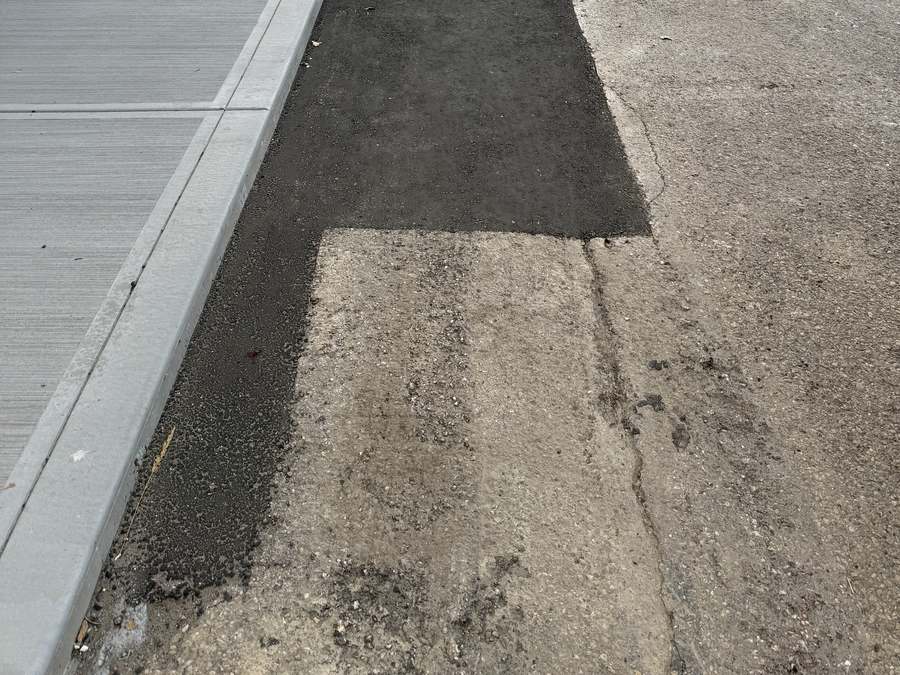
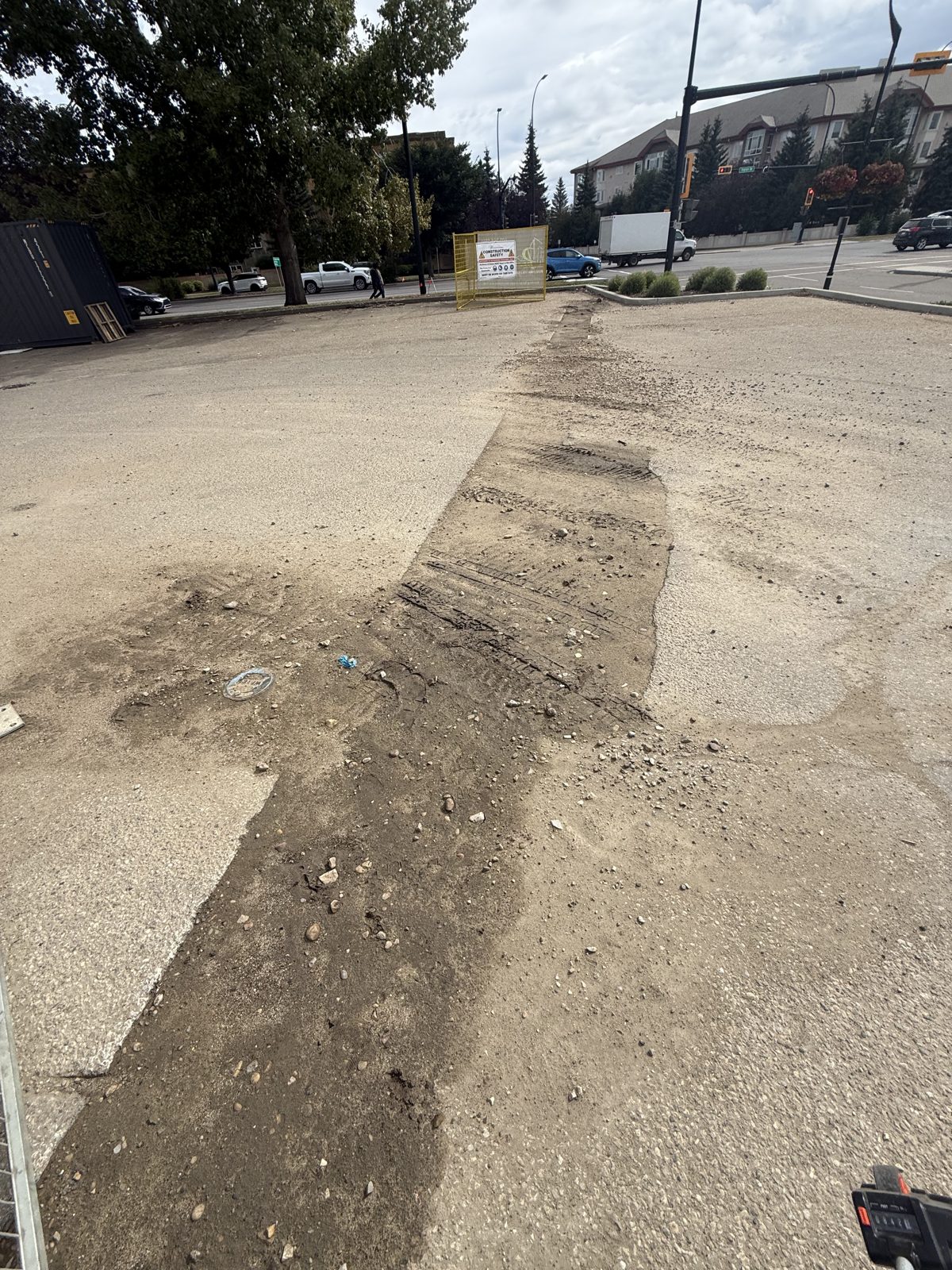
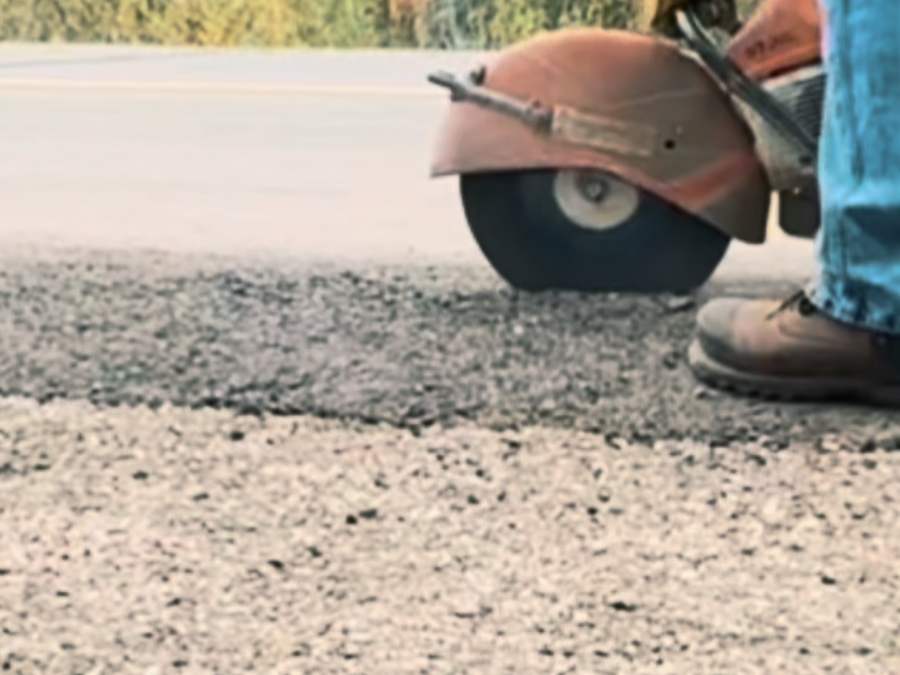
Pothole repair & patchingFailed areas saw-cut square, removed and replaced with compacted hot mix so they stop spreading.
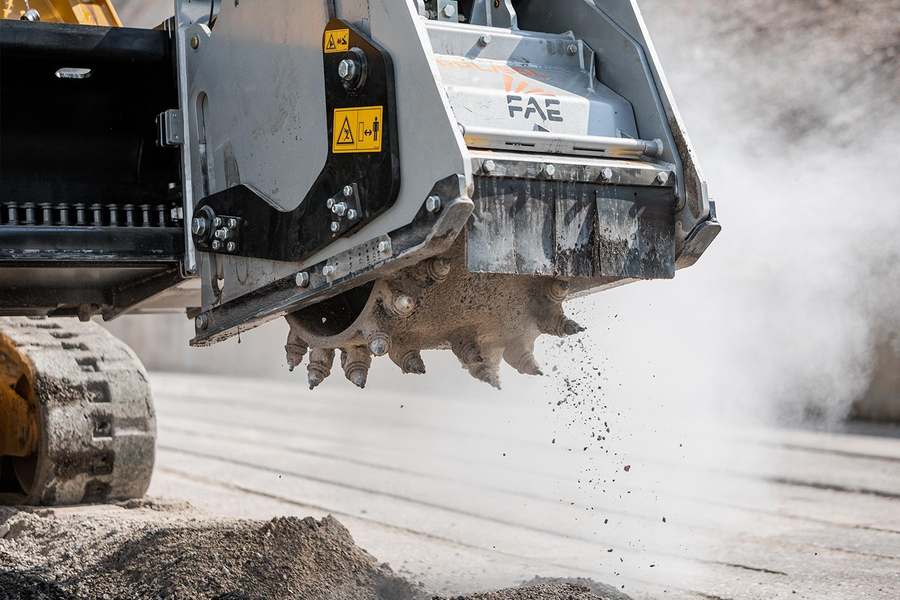
Cold millingGrinding off worn or failed asphalt to a clean, level edge before new pavement goes down.
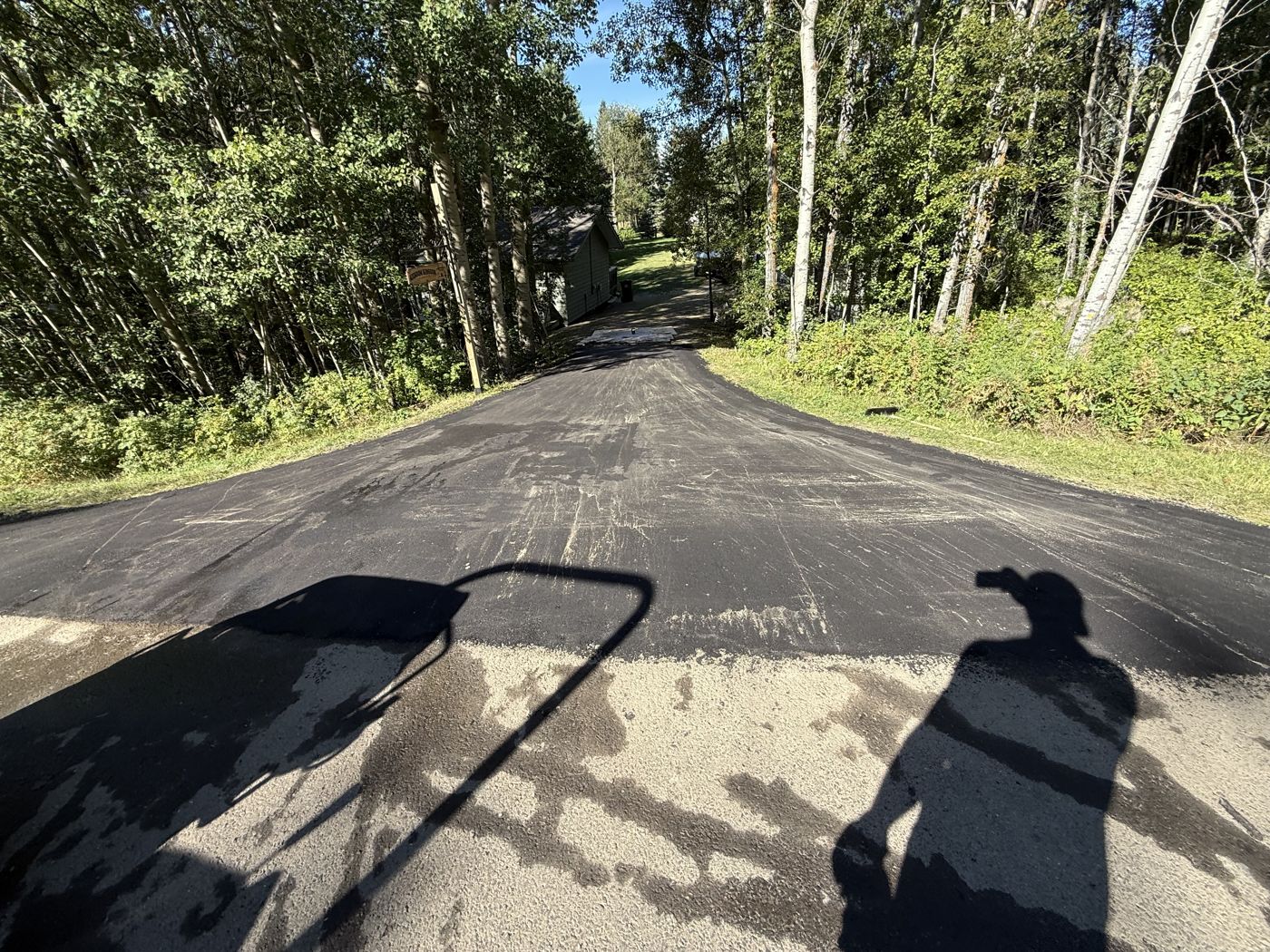
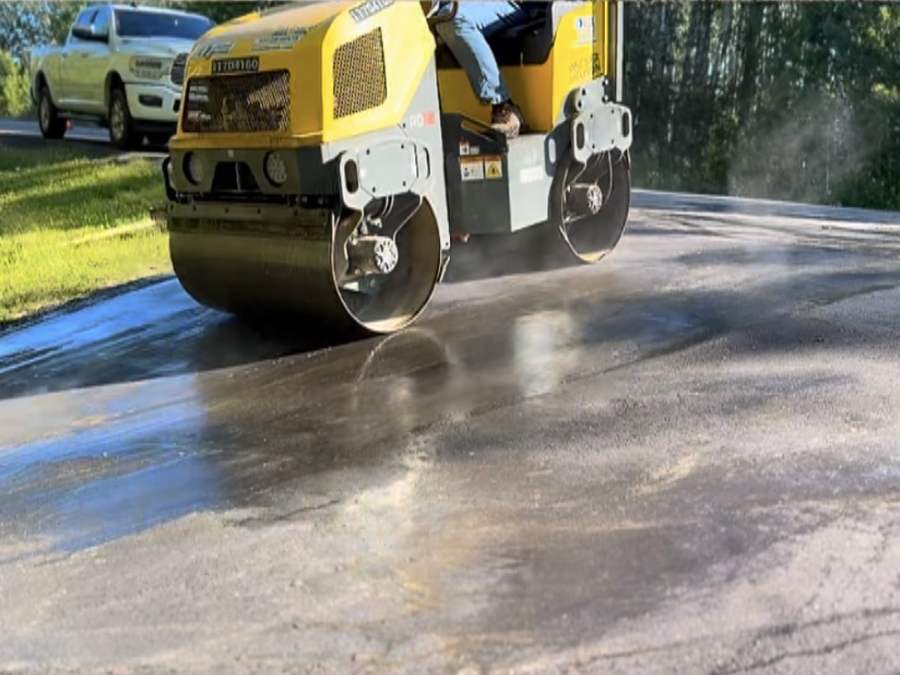
Asphalt paving & overlaysNew sections, overlays and driveway or access-road paving, with grading and base prep.
Speed bumps, aprons & drainageSpeed bumps, aprons, catch basin adjustments and low spots that hold water.
Our process
How a patch is done right
- 1Mark past the failureThe patch boundary goes into sound asphalt, not just around the visible hole.
- 2Cut and removeSquare edges are saw-cut or milled and the failed material removed.
- 3Check the baseIf the base has failed, it is dug out, replaced and compacted. If the asphalt is thick enough, we can often mill about 2 inches and keep a solid asphalt base underneath.
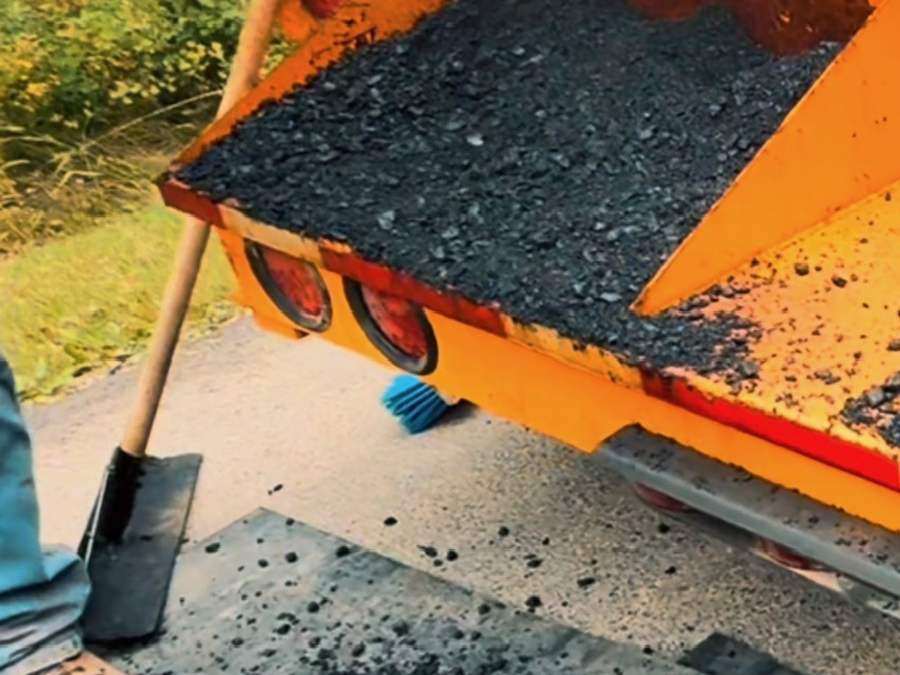
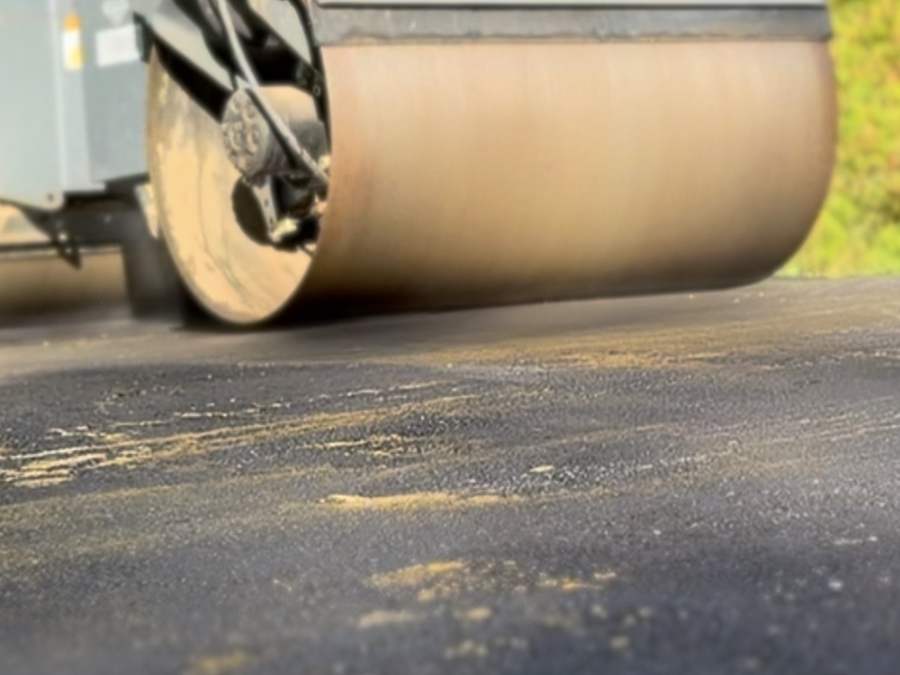
- 4Pave and seal the jointsTack coat applied, then hot mix placed and rolled flush, with edges sealed so water can’t get back in.
On the job
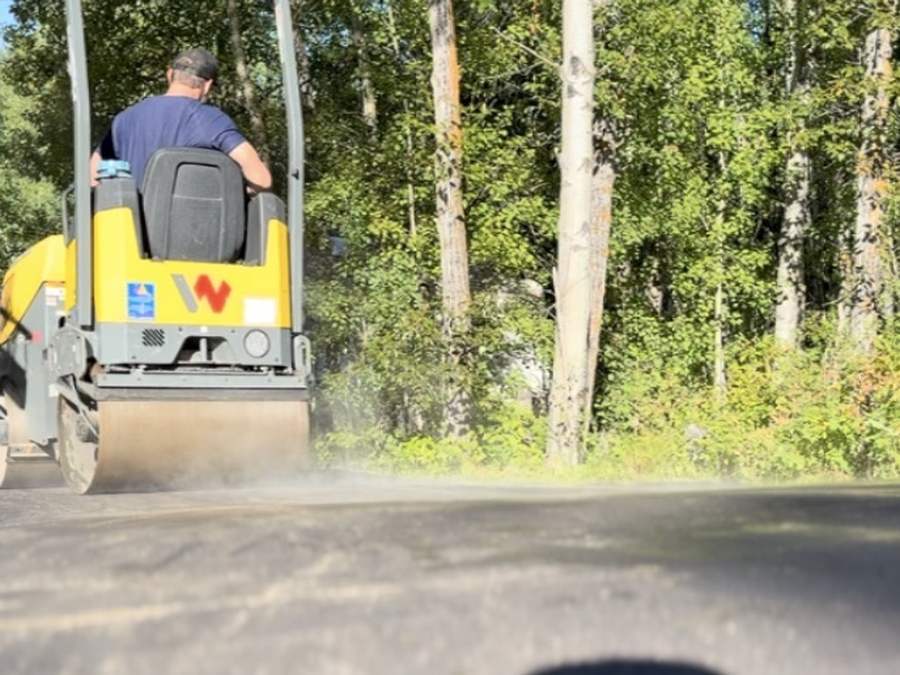
Our crew at work
Paving & repair questions
Patch or repave?
If failures are limited to some areas, patching them and protecting the rest is far cheaper. When failure is widespread, milling and overlaying or repaving makes more sense. We show you which areas fall into each category.
When can new asphalt be sealcoated?
Sealer manufacturers commonly recommend letting new asphalt cure for at least 30 to 60 days. Lines can be painted sooner.
When is paving season?
Hot-mix paving depends on the asphalt plants being open and warm, dry weather, which in Alberta is roughly May to October.
Get a repair quote
Send photos of the problem areas and the property address. We’ll tell you what should be patched, what can be protected, and what it costs.